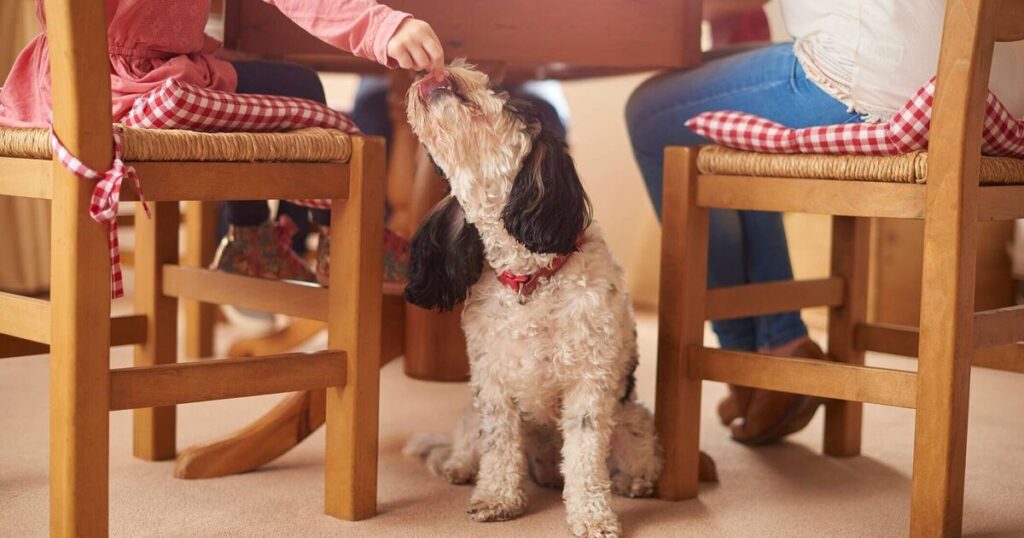
As the festive season is in full swing worldwide, it’s vital to ensure our furry friends’ safety. Common holiday hazards such as fallen food, scattered Christmas ornaments, and festive treats that humans love to consume can pose a significant risk to our pets’ health. As it stands, two-thirds of dog owners admit their pets have consumed something they shouldn’t have, with over one in seven requiring veterinary attention as a result.
A study by pet insurance specialist Insure Your Paws reveals that 69% of dog owners confess their dogs have eaten or chewed on inappropriate items. Worryingly, more than one in seven (13%) have needed emergency vet care due to this. Andrew Simpson, Head of Pet at Insure Your Paws, warns: « Christmas is a time for indulgence, but our data shows it can also be risky for pets. »
He adds: « We often see claims in December for treatment for dogs eating festive foods like chocolate, grapes and food containing raisins — all of which can be dangerous or toxic. Vet treatment for food poisoning can cost more than £1,200. »
Simpson advises: « A moment’s distraction can lead to an emergency vet visit, so prevention really is the best policy. Pet insurance offers peace of mind when the unexpected happens, but a little caution can go a long way to keeping tails wagging. »
These figures serve as a stark warning for pet owners to keep Christmas treats and decorations out of reach from inquisitive paws this festive season, reports the Mirror.
With homes overflowing with chocolates, mince pies, sweets and alcohol, the holiday period can be fraught with danger for our four-legged companions.
The survey unveiled an astonishing array of items that our pets have nibbled on — from toys (25%) and sticks (23%) to shoes and socks (22%) and furniture (14%).
Food-related mishaps are also common, with one in five (20%) dogs snaffling sweets or rummaging through bins, and nearly one in six (16%) feasting on chocolate — a delicacy that contains theobromine, which can lead to severe poisoning.
Chocolate containing theobromine isn’t the only popular Christmas treat that poses a toxic threat to dogs. Foods containing xylitol, an artificial sweetener found in sugar-free products, are also highly toxic to dogs.
Xylitol is often present in brands of sugar-free peanut butter — a canine favourite and a product to stay vigilant about — as well as sugar-free candy canes, chocolates, baked goods like muffins, brownies, cookies, and cake, and chewing gum, breath mints, and lozenges, which often double up as Christmas stocking fillers.
Andrew has also shared some additional top tips to keep pets safe this Christmas:
Store treats safely
Ensure that chocolate, mince pies, onions, and alcohol are stored securely out of reach, as these festive favourites can pose a risk to pets.
Steer clear of edible presents under the tree
Curious pets might sniff out and unwrap food gifts, which could lead to them feeling poorly.
Think twice before sharing leftovers
Always ensure that scraps are safe before giving them to your pets. Foods to avoid include chocolate, sweets, gravy, grapes, onions, and dairy products.
Keep a watchful eye on festive decorations
Small toys, tinsel, and baubles can be a choking hazard. To safeguard your beloved pets during the holiday season, ensure these items are beyond their reach.
Dispose of waste promptly
Don’t allow food remnants, bones, and packaging to linger in bins where nosy pets might discover them.
Have your vet’s contact details handy
Ensure you know how to contact your vet or an emergency clinic during the festive season.
Avoid alcohol and caffeine
Keep beverages, coffee grounds, and energy products well out of reach from dogs and cats, as they can lead to serious health issues.
