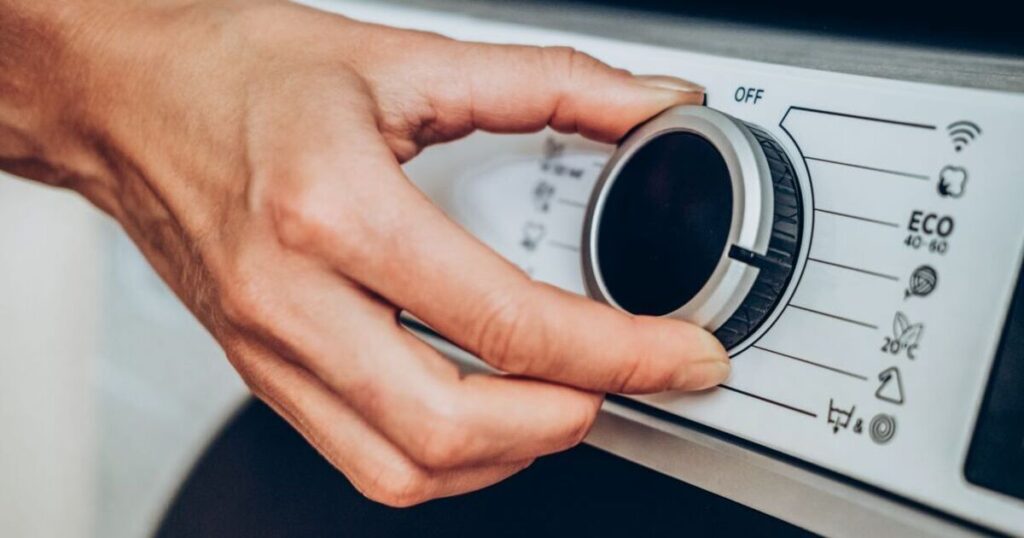
Households should wash their clothes at one temperature this February to help reduce energy bills. January has been a particularly cold month in much of the UK, with temperatures plummeting well below zero in many regions. While we are indeed moving closer to springtime, conditions don’t look like they’ll improve any time soon. In fact, the Met Office has said there is a risk of snow in many regions at the beginning of February. Meanwhile, weather maps from forecaster WXCharts show freezing temperatures across much of the country towards the end of January and the start of next month.
Households are feeling the pinch this winter as bills put many families under strain during cold conditions. While assistance such as the Cold Weather Payment and the Winter Fuel Payment offer some relief for UK households, many are still under financial pressure due to high bills, on top of the increased cost of groceries. To help alleviate some of that financial burden. Consumer experts have recommended that households wash clothes only at certain temperatures for the rest of winter.
The experts at Which? have offered up advice for reducing energy costs this winter. When it comes to washing machines, which are one of the appliances that use the most energy, reducing the temperature can make a huge difference.
Their research suggests that washing clothes at 30C rather than 40C can cut costs by 38%. This, along with other tips like doing larger loads less often, can make a significant difference in energy bills.
Energy experts at Rapid Response explain how modern washing detergents are designed to wash clothes at any temperature. However, it is a common misconception among households that 40C is needed to effectively wash clothes.
Essentially, the higher the temperature you use, the more energy you use, and therefore the more you pay in energy bills. Washing your clothes at a lower temperature can also help to reduce your carbon footprint.
Additionally, washing clothes at 30C rather than 40C helps them last longer. Lower temperatures put the material under less strain, meaning you won’t notice garments wearing out as quickly.
Which? shared several washing machine tips to help reduce energy bills. For example, the experts also recommend using eco settings whenever possible. Beko’s marketing manager and home appliance specialist, Shalika Hooda, said: « When using your washing machine, select the eco programme to save a significant amount off your water and energy bills for a standard load, whilst still maintaining excellent cleaning results. »
Drying laundry outside whenever the weather permits will also save a lot of money, since you won’t need to use your tumble dryer as often. According to the Which? test, washer-dryers are the priciest appliances to run, costing over £200 on average per year.
