Dog owners have been left worried after noticing mail arriving through their letterbox marked with a « P ».
While some householders have been attempting to decipher its meaning, others have expressed fears it could signal something more troubling, potentially endangering their pets.
A concerned Reddit user commented: « It’s what thieves use to mark your house to let others know you have expensive dogs. »
In contrast, another tried to lighten the mood, quipping: « Very subtle Wordle clue – takes five days then you just rearrange them. Never right. »
Yet there’s genuinely no need for concern as it bears no connection to criminal behaviour and certainly isn’t your postman’s method of expressing disapproval.
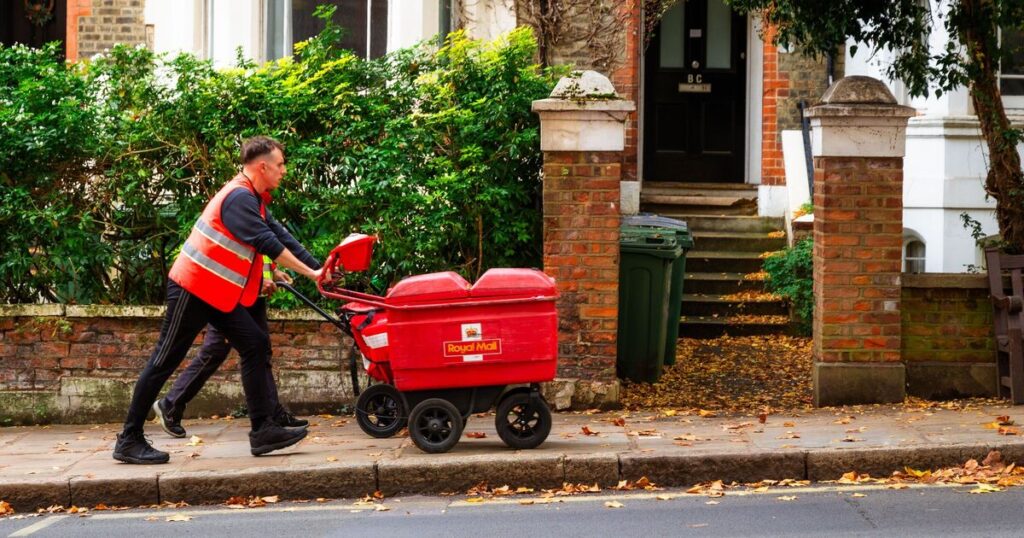
The « P » is in fact an essential indicator that assists your postal worker in performing their role correctly and productively, guaranteeing all your packages reach you on time.
Clarifying matters, a postal worker on Reddit informed users the « P » merely helps them and their team monitor when parcels are expected.
They said: « You had a packet/parcel. Stops us from forgetting about it! »
Corroborating this account, another postal worker added: « It’s the postie’s way of reminding themselves that when they come to post your letter there’s also a parcel for you.
« That’s so they don’t post your letter then find out halfway down the street they forgot to knock and give you your parcel.
« Or sometimes they’ll write P10 or something on the previous letter – that lets them know they have a parcel for next door (number 10) but no letter. »
For those concerned about their pets’ safety, the RSPCA has provided advice on how to protect cats and dogs from theft. A spokesperson stated: « It’s heart-breaking when a loved family pet is stolen.
« If there have been reports of pets being stolen in your area, our advice would be don’t panic, but it is wise to be extra careful. »
What you can do to help reduce the risk of your pet being stolen:
- Never leave your dog outside a shop on their own
- Train your dog to come back when called
- Do not leave your dog on their own in the garden
- Get your dog microchipped
- It is vital to keep your contact details up-to-date
- Keep recent photographs
- Take care when choosing someone to care for your dog
- Neuter your pet
- Put a collar and tag on your pet
For more information about preventing pet thefts, visit the RSPCA’s website.
