All power to British battery maker Superdielectrics whose water-based solution for storing surplus energy is charging up for commercial rollout with its sights set first on homes and data centres. Home energy storage can save you up to 85% of your bill. Safer systems and greater efficiency underpin Superdielectric’s innovation that captures the wonder in the everyday and a ceaseless quest of our times that’s relevant to all of us.
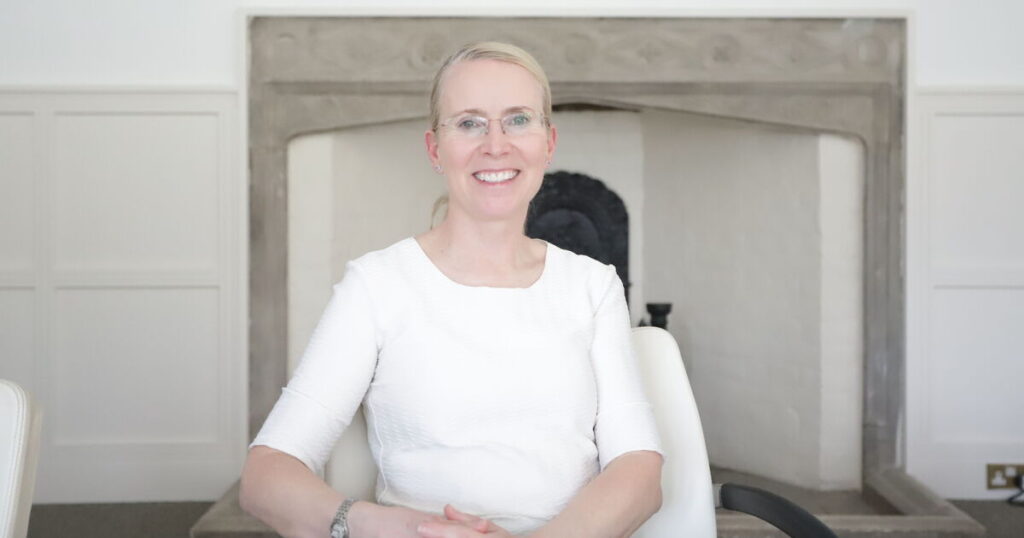
“Energy everywhere for everyone, this is a pivotal moment for Superdielectrics,” declares chief executive Jane Hunter now overseeing development of the Cambridge-based company’s next generation Faraday 2 prototype.
Ingenuity based on advanced science harnessing everyday materials is the compelling thread that binds it all. The energy storage system is built using carbon electrodes, zinc and the company’s own polymer membrane which transports a strong charge removing the need for intensive manufacturing techniques.
Unlike flammable lithium batteries, the Faraday 2 and its water base means there’s no fire risk. With no critical minerals there’s no dependency on state-controlled supply chains. Some 93 per cent of its materials are recyclable. The battery performs a smart balancing act with energy stored coming from solar panels and the grid which provides an important buffer for renewable energy where sources vary.
The solar captured during the day can be used at night when fossil fuel-based grid power is expensive. The fast-charging battery can also tolerate fluctuating input charges making it ideal for capturing solar. Currently some 1.3million homes feed their solar surplus back to the grid, but smart charging tariffs require battery systems that can prove challenging for lithium ones to meet.
For the residential market Faraday 2 is the fridge-sized and works either indoors or out. A partnership with supplier E.ON is developing a behind the meter approach to domestic storage so solar captured during the day is utilised rather than sold back to the grid – known as Behind the Meter and tipped by companies to have a big future. With no end for our need for cheap, clean energy, Superdielectrics sees expansion to residential blocks, commercial units and industrial sites as well as mobility and transport with the electric vehicle take off market that includes drones and aircraft.
The battery is similar to a supercapacitor giving electric vehicles the capability to recharge as quickly as petrol or diesel ones and devices like phones in seconds.
With some £24 million investment, Superdielectrics is now expanding its team of 24 engineers Pilot production on course for 2027/28. Hunter is keen to develop manufacturing partnerships globally and a licensing model “supporting low cost, safe solar storage in growth markets where grid and network infrastructure are underdeveloped,” she explains. www.superdielectrics.com
