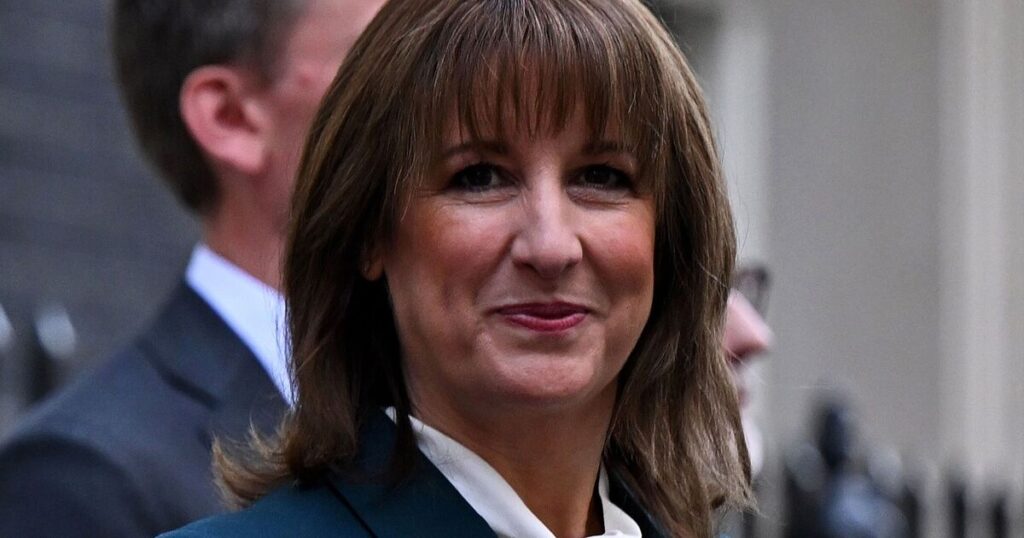
The state pension triple lock increase was also confirmed in Rachel Reeves’s Autumn Budget.
The triple lock ensures payment rates for the state pension increase annually in line with the highest of 2.5%, the rise in average earnings, or inflation.
The full new state pension
In the 2025/26 tax year, the full new state pension pays £230.25 per week, or £11,973 per year.
Following a 4.8% increase, the full new state pension will rise to £241.30 per week, or £12,547.60 per year, representing an increase of almost £575 per year.
The new state pension is available to:
Men born on or after April 6, 1951
Women born on or after April 6, 1953.
To receive any state pension rate, people must have at least 10 qualifying years on their National Insurance record. The number of qualifying years on this record is used to determine how much state pension a person will receive.
Typically, to receive the full rate, a person must have at least 30 years of qualifying years.
The full basic state pension
Currently, the full basic state pension pays £176.45 per week, or £9,175.40 per year.
Following a 4.8% increase, the full basic rate will rise to £184.90 per week, or £9,614.80 per year, providing an extra £439.40 per year.
The full basic state pension is available to:
Men born before April 6, 1951
Women born before April 6, 1953.
Pensioners who qualify for the basic state pension can also qualify for an “additional” state pension, also known as the State Earnings-Related Pension Scheme (SERPS), which may provide them with some extra financial support.
Subsequently, it’s claimed that pensioners who receive SERPS can be better off than those on the new state pension.
An analysis by Money Mail in 2024 showed that older retirees in their 80s and 90s can receive up to £20,176 annually, which is much higher than the new state pension rate.
