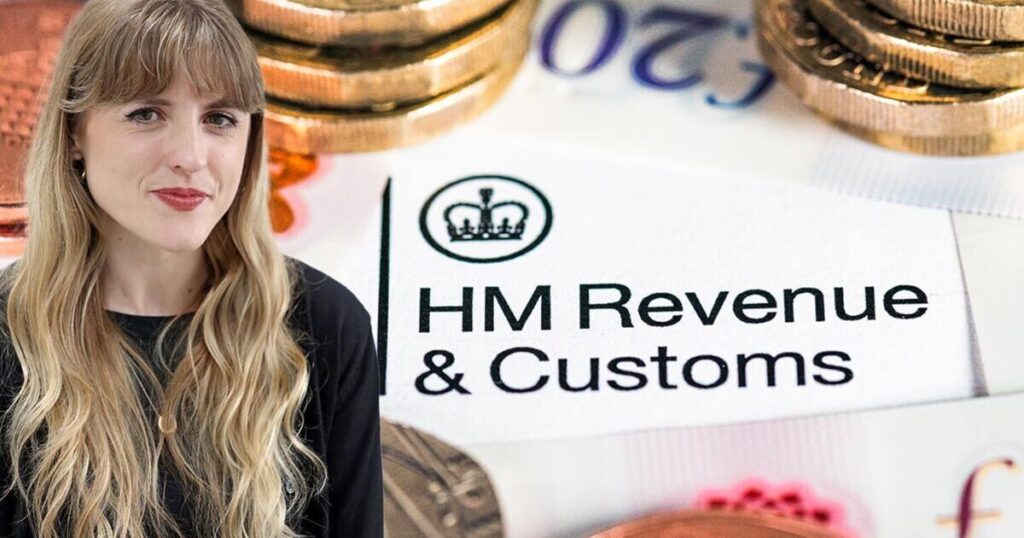

Katie Elliott explains new inheritance tax changes (Image: Getty)
The clock is ticking on two significant inheritance tax reforms – one’s just weeks away, the other following in 2027. From April 2026, business and agricultural property relief will be capped at £2.5m per person. Assets above that will receive relief at 50%. For some farming and family business owners, this will be a major shift. The bigger change lands in April 2027, when unused pension pots are pulled into the inheritance tax (IHT) net. At present, pensions sit outside your estate for inheritance tax purposes, making them one of the most tax-efficient ways to pass on wealth. That advantage is set to disappear.
And the real sting will be the double taxation, says Nick Perrett, founder and CEO of wealth platform Prosper. “If you die after 75, as most people do, your beneficiaries will pay IHT at 40% on the pension, then income tax at their marginal rate.”
Read more: Investment platform offers market-leading 4.4% Cash ISA – ‘getting a real deal’
Read more: ‘Pension detail many miss – there’s a critical window for checking it now’
Now, it’s important to note that inheritance tax still affects only a minority of estates. The nil rate band stands at £325,000 per person. When you add the residence nil-rate band of £175,000 when passing a main home to direct descendants, the total is £500,000 each. Married couples and civil partners can transfer unused allowances, meaning many couples can pass on up to £1m tax-free.
For a typical family home and modest savings, that’s often enough to stay outside the IHT net, but it doesn’t make the system fair. The nil-rate threshold has been frozen since 2009, while the residence nil-rate threshold has been frozen since 2020. In that time, property prices and inflation have shot through the roof. Had the nil-rate band risen with inflation, it would probably sit north of £500,000 now. Instead, more estates are being nudged over the line each year.
And from 2027, the likelihood of paying IHT increases for some middle-class families precisely because pensions are often their largest remaining asset. More than a decade of auto-enrolment and rising contribution rates mean many retirement pots are pretty sizeable.
There are a few things you can do to plan ahead if your estate is at risk of a tax bill.
Use the annual gifting allowance. You can give away 3,000 each year tax-free of IHT and carry forward one unused year. Couples can transfer allowances.
Consider the lesser-known “gifts out of surplus income” rule. If you regularly gift from income (not capital) and it doesn’t reduce your standard of living, the payments fall outside of your estate. But they must form a clear pattern, and it’s important to record what they’re for.
The seven-year rule remains intact (although rumours suggest it may change soon). You can make gifts of any sum as long as you survive seven years.
Finally, leave 10% of your estate to charity, and the IHT rate on the rest falls from 40% to 36%. Planning ahead is always key, and consulting a financial adviser can be incredibly beneficial. You can find one on unbiased.co.uk.
DEAL OF THE WEEK
British Gas is giving one customer a year’s free energy, worth £1,748, every month through its free membership scheme. To enter, you must be a UK resident aged 18+, a British Gas energy customer and signed up to a British Gas membership, opting in via the app by Sunday [February 28].
Top three UK areas for unclaimed estates as thousands waiting for heir
On the subject of inheritance, thousands of estates are sitting unclaimed in the UK. The total estimated value of these estates reaches nearly £1.5billion. Private wealth lawyers at Weightmans analysed the areas where the most unclaimed estates are located. London tops the list with a staggering 1,612 estates still awaiting heirs. Surrey ranks second with 283, followed by the West Midlands with 253.
And some of these estates have remained unresolved for decades. The oldest dates back to 1974, which serves as a stark reminder of what can happen when affairs aren’t managed properly. The simplest way to prevent this is to write a will. More than half of Brits don’t have one. In London and the South West, the figure rises to 57%, according to the National Wills Report. Without a valid will, estates can get tangled up in bureaucracy and, in some cases, be passed to the state if no entitled relatives are found.
Crucially, try and get the will professionally drafted. A clear, legally robust will removes ambiguity, can help with tax planning, and reduces the risk of disputes.
If you want to check if you could be entitled to a long-lost estate, visit unclaimed-estates.org.uk.
