Homeowners throughout Britain who are investing in improvements to enhance kerb appeal and property value are being cautioned by experts regarding important regulations. The warning concerns a particular trend that’s gaining popularity.
Start Safety is alerting residents to the planning regulations and practical factors they must consider when installing driveways, particularly those featuring gravel. Specialists at the organisation noted that an increasing number of property owners are opting for gravel driveways due to their visual charm, affordability and eco-friendly benefits, but stressed that grasping the planning and drainage obligations is crucial before commencing any work.
James Crame, safety expert at Start Safety UK, explained: « Replacing a front garden with hard surfacing can significantly increase the risk of flooding and water pollution. Traditional, non-permeable surfaces prevent rainwater from soaking into the ground, causing it to run directly into drains instead.
« While a single driveway may seem insignificant, the cumulative impact of many households installing impermeable hardstanding can place serious strain on drainage systems. Gravel driveways allow water to filter through into the soil beneath or temporarily store excess water during heavy rainfall, helping to reduce flooding and protect local waterways. »

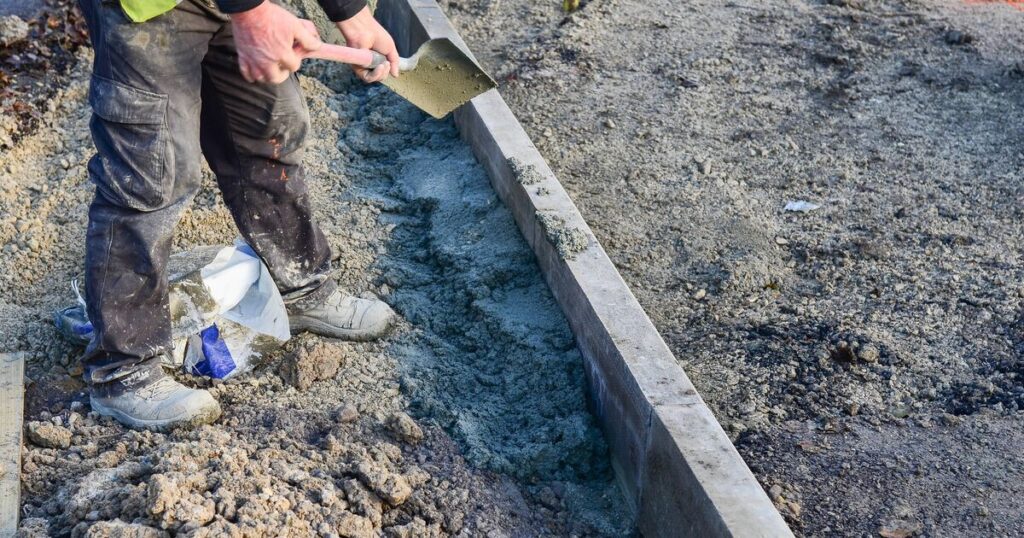
Gravel normally doesn’t need permission (Image: Paul Gorvett via Getty Images)
Read more: Thousands of drivers could have fines cancelled over ‘faulty’ speed cameras
Read more: Pension ‘cap’ date set as ‘850,000 workers affected’
Installing a gravel driveway
« Most gravel driveways won’t need formal planning permission, but only if they meet certain criteria, » explained James. « Choosing the right surface and organising how rainwater drains are key factors in complying with local authority regulations. »
Permeable surfaces and small areas don’t usually need permission
Where a gravel driveway incorporates a permeable surface enabling rainwater to drain naturally into the ground, planning permission is typically unnecessary. This is due to materials such as gravel satisfying Sustainable Drainage Systems (SuDS) requirements for surface water management.
Larger or impermeable projects may need approval
Driveways smaller than 5sqm generally don’t require planning permission, even when impermeable materials are employed, provided rainwater is channelled towards a lawn or border for ground absorption.
Should a driveway exceed 5sqm and utilise non-permeable materials – such as conventional block paving, asphalt, or concrete – planning permission will probably be necessary. This guarantees that surface water doesn’t contribute to localised flooding or place excessive strain on drainage systems.
Independent of planning regulations, homeowners are required to secure permission from their local council to create a dropped kerb at the point where the driveway joins the public highway. This authorisation must be obtained prior to constructing any crossing over a pavement.
Without the necessary dropped kerb authorisation, local authorities possess enforcement powers under the Highways Act 1980, with penalties reportedly reaching £1,000 for motorists parking on driveways lacking legitimate pavement access.
Gravel surfaces may migrate or scatter onto highways without adequate containment. Fitting robust borders or gravel stabilisation systems alongside consistent maintenance ensures the area remains presentable and regulation-compliant.
James concluded: « A well-designed gravel driveway not only enhances a home’s appearance but also adds practical off-street parking. By understanding the rules up front, homeowners can avoid delays and unnecessary costs. »
