NEWYou can now listen to Fox News articles!
When missiles fly, we expect explosions. We expect smoke, sirens and satellite images. What we do not expect is silence.
On February 28, 2026, as fighter jets and cruise missiles struck Iranian Revolutionary Guard command centers during Operation Roar of the Lion, a parallel assault reportedly unfolded in cyberspace.
Official news sites and key media platforms went offline, government digital services and local apps failed across major cities, and security communications systems reportedly stopped functioning, plunging Iran into a near-total digital blackout.
According to NetBlocks, a global internet monitoring organization that tracks connectivity disruptions, nationwide internet traffic in Iran plunged to just 4 percent of normal levels.
That level of collapse suggests either a deliberate state-ordered shutdown or a large-scale cyberattack designed to paralyze critical infrastructure. Western intelligence sources later indicated the digital offensive aimed to disrupt IRGC command and control systems and limit coordination of counterattacks.
For the United States and its allies, the episode offers a stark reminder that modern conflict now blends airstrikes with digital warfare in ways that can ripple far beyond the battlefield.
In a matter of hours, modern conflict looked less like tanks and more like a blinking cursor.
Sign up for my FREE CyberGuy Report
Get my best tech tips, urgent security alerts, and exclusive deals delivered straight to your inbox. Plus, you’ll get instant access to my Ultimate Scam Survival Guide – free when you join my CYBERGUY.COM newsletter
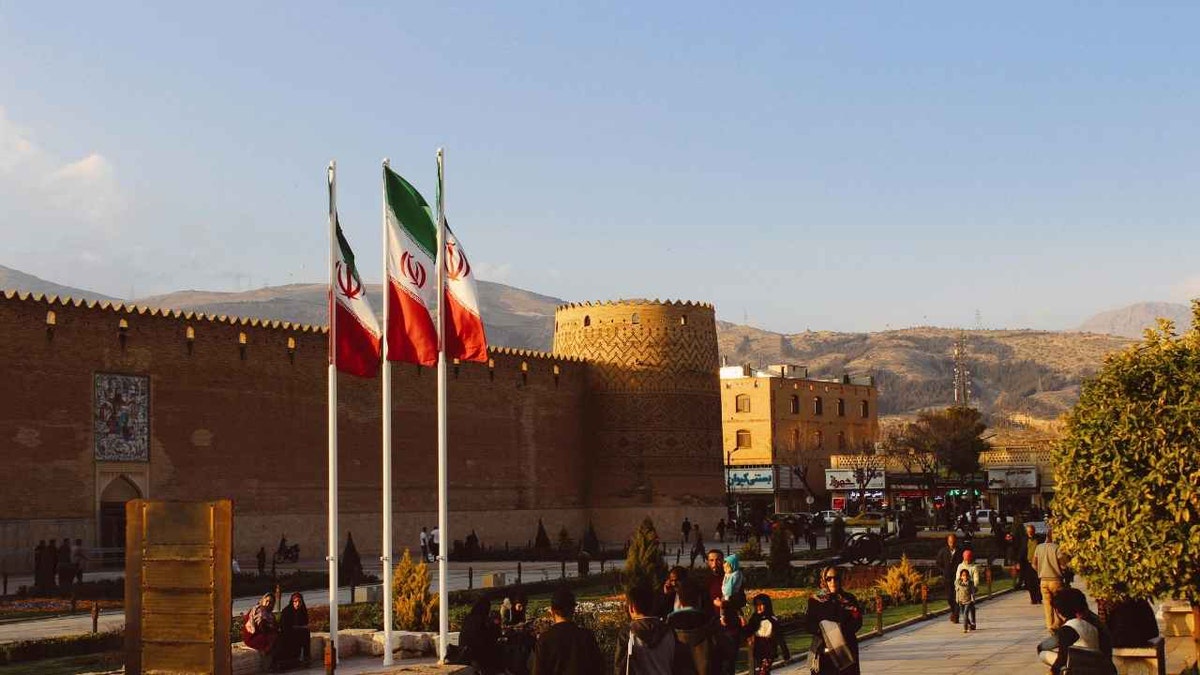
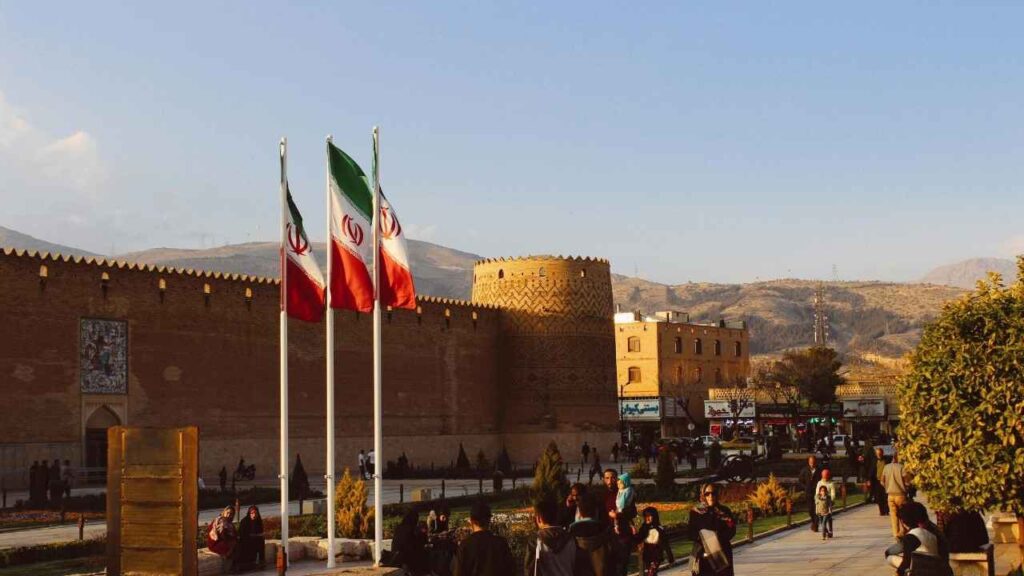
Iran’s national symbols stand in contrast to reports of a sweeping digital blackout that reportedly disrupted communications and critical systems across the country. (Kurt “CyberGuy” Knutsson)
Iran internet shutdown: A country offline in real time
Reports described widespread outages across Iran. Official news sites stopped functioning. IRNA, Iran’s state-run news agency, went offline.
Tasnim, a semi-official news outlet closely aligned with the Islamic Revolutionary Guard Corps, reportedly displayed subversive messages targeting Supreme Leader Ali Khamenei.
THINK YOUR NEW YEAR’S PRIVACY RESET WORKED? THINK AGAIN
The IRGC, Iran’s powerful military and intelligence force, plays a central role in national security and regional operations. At the same time, local apps and government digital services failed in cities like Tehran, Isfahan and Shiraz.
This was not one website defaced for headlines. It appeared systemic. Electronic warfare reportedly disrupted navigation and communications systems.
Distributed denial of service attacks, often called DDoS attacks, flooded networks with traffic to overwhelm and disable them.
Deep intrusions targeted energy and aviation systems. Even Iran’s isolated national internet struggled under pressure.
CHINA VS SPACEX IN RACE FOR SPACE AI DATA CENTERS
For a regime that tightly controls information, losing digital command creates both operational and political risk.
Why cyber warfare matters in the Iran conflict
Cyber operations offer something missiles cannot. They disrupt without always killing. They send a signal without immediately triggering full-scale war. That matters in a region where escalation can spiral fast.
History shows Iran understands this logic. Between 2012 and 2014, Iranian actors targeted U.S. financial institutions in Operation Ababil. Saudi Aramco also suffered a major cyberattack.
ARTIFICIAL INTELLIGENCE HELPS FUEL NEW ENERGY SOURCES
After Israeli strikes in 2025, cyberattacks targeting Israel surged dramatically within days.
Cyber retaliation lets leaders respond while limiting direct military confrontation. It buys leverage in negotiations. It creates pressure without necessarily crossing a red line.
But there is a catch. Every cyber strike risks miscalculation. And digital damage can spill into the real world fast if critical infrastructure is hit.
As military strikes targeted IRGC command centers, internet traffic inside Iran reportedly plunged to just 4 percent of normal levels. (Kurt “CyberGuy” Knutsson)
If the blackout and strikes mark a turning point, Tehran has options. None are simple.
1) Cyberattacks against U.S. or allied infrastructure
Cyber retaliation remains one of Iran’s most flexible tools. It can range from disruptive attacks and influence campaigns to more targeted intrusions that pressure critical services. Recent expert commentary warns that U.S. cyber defenses and the private sector could face sustained testing.
2) Targeting U.S. drones and unmanned systems
Iran has used drones and electronic interference as signals before. Analysts continue to flag jamming, spoofing and harassment of unmanned systems as a way to raise costs without immediately striking large numbers of personnel.
3) Maritime attacks in the Strait of Hormuz
This risk is rising fast. An EU naval mission official reportedly said IRGC radio transmissions warned ships that passage through Hormuz was “not allowed”. Greece has also urged ships to avoid high-risk routes and warned about electronic interference that can disrupt navigation. Insurers are already repricing the danger, with reports of war-risk policies being canceled or sharply increased.
4) Support for allied or informal armed groups
Iran has long worked with allied forces and militias in the region, and some of those groups could step up attacks on U.S. interests or allied partners in retaliation, widening the clash without direct state-to-state engagement.
5) Limited ballistic missile strikes
Missile strikes remain a high-impact option, but they raise the odds of rapid escalation. Recent expert analysis continues to frame them as a tool Iran may use for signaling, especially if leadership feels cornered.
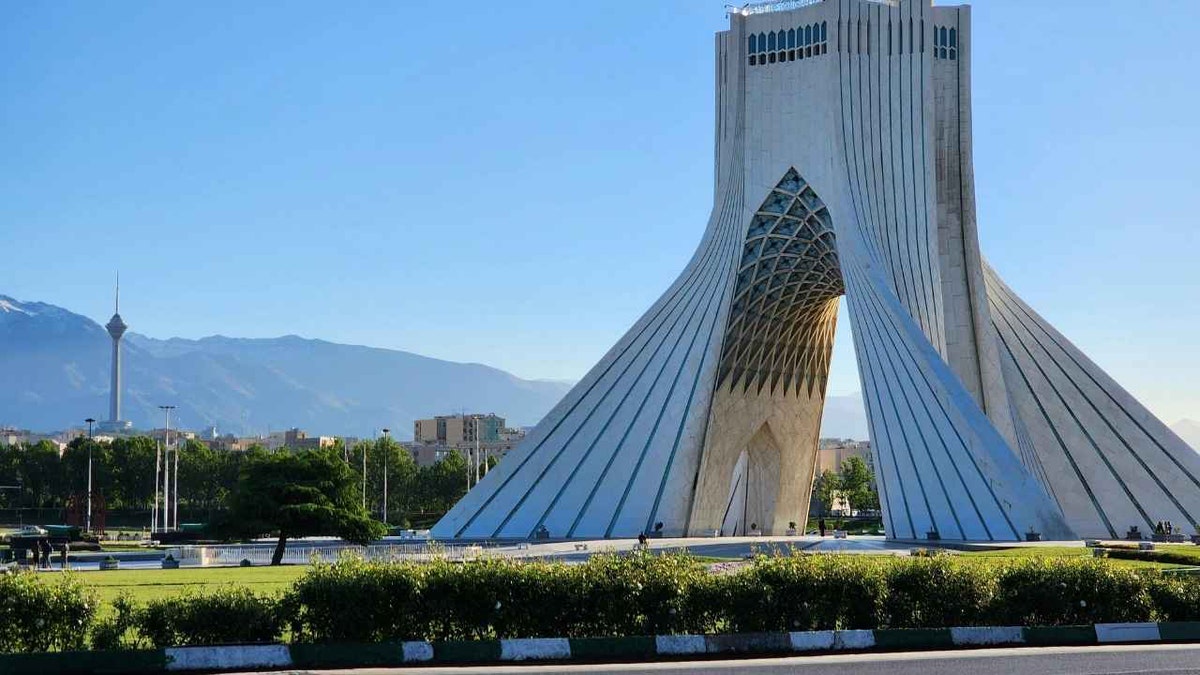
Tehran’s skyline, including the Azadi Tower, became the backdrop to a crisis shaped as much by cyber disruption as by missiles in the sky. (Kurt “CyberGuy” Knutsson)
The escalation risk between the U.S. and Iran
Here is the uncomfortable truth. Neither Washington nor Tehran likely wants a full-scale regional war. In moments like this, military strikes rarely stand alone.
They often move alongside diplomacy. Leaders send signals. They apply pressure. At the same time, they try to leave room for talks.
But escalation has momentum. Each missile changes the equation. Each casualty raises the stakes. The more damage done, the harder it becomes to step back.
5 SIMPLE TECH TIPS TO IMPROVE DIGITAL PRIVACY
Fear plays a role. So does pride. Domestic audiences demand strength. Leaders feel pressure to respond in kind. That is how limited strikes can spiral into something much larger.
What the Iran cyberattack blackout means for global cybersecurity
This episode highlights something bigger than regional tension. Nation-states now pair kinetic strikes with digital offensives.
Cyberattacks can blind communications, freeze infrastructure and disrupt financial systems before the world even processes the first explosion.
TRUMP TELLS IRANIANS THE ‘HOUR OF YOUR FREEDOM IS AT HAND’ AS US-ISRAEL LAUNCH STRIKES AGAINST IRAN
For businesses and individuals, that reality matters. Modern conflict no longer stays confined to battlefields.
Supply chains, energy grids and online platforms can feel the ripple effects. The blackout in Iran serves as a reminder that digital resilience is now a national security issue.
How to stay safe during rising cyber tensions
When a country’s internet can plunge to just 4 percent of normal traffic in hours, it is a reminder that cyber conflict can escalate quickly.
Even if the disruption happens overseas, global networks are interconnected. Financial systems, supply chains and online platforms can feel the ripple effects.
You cannot control geopolitics. You can control your digital hygiene. Here are practical steps to reduce your personal risk during periods of heightened cyber activity:
Install strong antivirus software to guard against state-linked phishing and malware campaigns that often spike during geopolitical conflicts.
Nation-state actors frequently exploit breaking news and global instability to spread malicious links and ransomware. Get my picks for the best 2026 antivirus protection winners for your Windows, Mac, Android & iOS devices at Cyberguy.com
Keep devices updated so security patches close vulnerabilities that attackers often exploit during global cyber spikes.
WORLD LEADERS SPLIT OVER MILITARY ACTION AS US-ISRAEL STRIKE IRAN IN COORDINATED OPERATION
Use strong, unique passwords stored in a reputable password manager to protect your accounts if cyber retaliation campaigns expand beyond government targets. Check out the best expert-reviewed password managers of 2026 at Cyberguy.com
Enable two-factor authentication (2FA) on financial, email and social accounts to safeguard access in case stolen credentials circulate during heightened cyber conflict.
Be cautious with urgent headlines or alerts about international conflict, since attackers frequently mimic breaking news.
Monitor financial accounts for unusual activity in case broader disruptions spill into banking systems.
When tensions rise, phishing campaigns often rise with them. Threat actors exploit fear and confusion. Staying disciplined with basic security habits makes you a harder target if malicious traffic increases.
Take my quiz: How safe is your online security?
Think your devices and data are truly protected? Take this quick quiz to see where your digital habits stand. From passwords to Wi-Fi settings, you’ll get a personalized breakdown of what you’re doing right and what needs improvement. Take my Quiz here: Cyberguy.com
Kurt’s key takeaways
The reported cyber blackout inside Iran may signal a new chapter in modern conflict. Jets and missiles still matter. But so do servers, satellites and code. Leaders may try to contain the damage while showing strength.
Still, history shows how quickly careful plans can unravel once pressure builds. War today runs on electricity and bandwidth as much as fuel and ammunition.
When networks go dark, the impact does not stay on a battlefield. It spills into banking systems, airports, hospitals and the phones in our pockets. That is what makes this moment different.
If an entire nation’s digital systems can be disrupted in hours, how prepared is your community if something similar ever hits closer to home? Let us know by writing to us at Cyberguy.com
CLICK HERE TO DOWNLOAD THE FOX NEWS APP
Sign up for my FREE CyberGuy Report Get my best tech tips, urgent security alerts, and exclusive deals delivered straight to your inbox. Plus, you’ll get instant access to my Ultimate Scam Survival Guide – free when you join my CYBERGUY.COM newsletter
Copyright 2026 CyberGuy.com. All rights reserved.
Related Article