NEWYou can now listen to Fox News articles!
Nearsightedness (myopia) is skyrocketing globally, with nearly half of the world’s population expected to be myopic by 2050, according to the World Health Organization.
Heavy use of smartphones and other devices is associated with an 80% higher risk of myopia when combined with excessive computer use, but a new study suggests that dim indoor lighting could also be a factor.
For years, scientists have been puzzled by the different ways myopia is triggered. In lab settings, it can be induced by blurring vision or using different lenses. Conversely, it can be slowed by something as simple as spending time outdoors, research suggests.
Nearsightedness occurs when the eyeball grows too long from front to back, according to the American Optometric Association (AOA). This physical elongation causes light to focus in front of the retina rather than directly on it, making distant objects appear blurry.
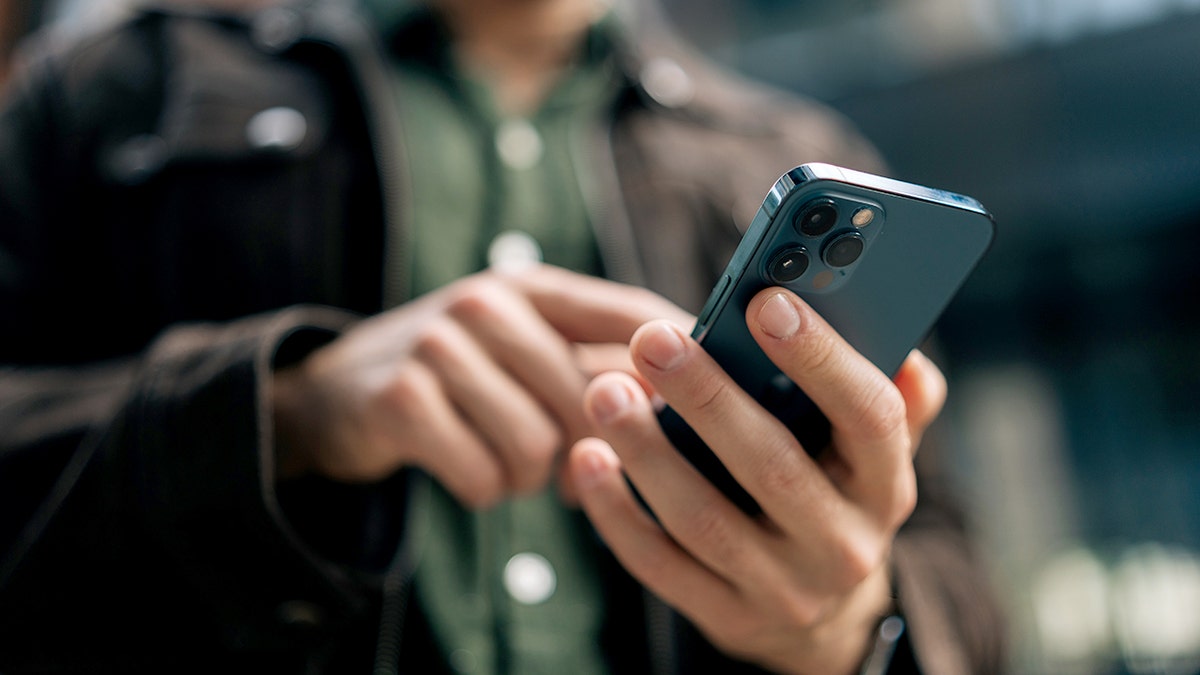
The study suggests that myopia isn’t caused by the digital devices themselves, but by the low-light environments where they are typically used. (iStock)
Researchers at the State University of New York (SUNY) College of Optometry identified a potential specific trigger for this growth. When someone looks at a phone or a book up close, the pupil naturally constricts.
COMMON VISION ISSUE COULD LEAD TO MISSED CANCER WARNING, STUDY FINDS
“In bright outdoor light, the pupil constricts to protect the eye while still allowing ample light to reach the retina,” Urusha Maharjan, a SUNY Optometry doctoral student who conducted the study, said in a press release.
CLICK HERE TO DOWNLOAD THE FOX NEWS APP
“When people focus on close objects indoors, such as phones, tablets or books, the pupil can also constrict — not because of brightness, but to sharpen the image,” she went on. “In dim lighting, this combination may significantly reduce retinal illumination.”
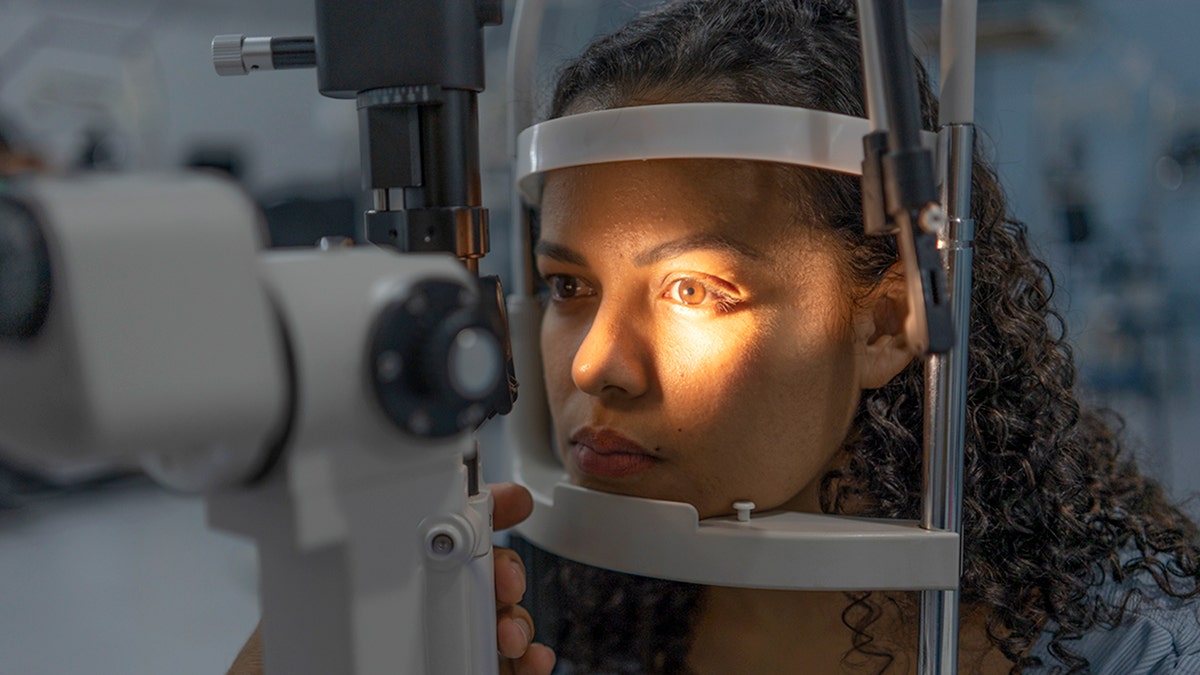
High-intensity natural light prevents myopia because it provides enough retinal stimulation to override the “stop growing” signal, even when pupils are constricted. (iStock)
The hypothesis suggests that when the retina is deprived of light during extended close-up work, it sends a signal for the eye to grow.
In a dim environment, the narrowed pupil allows so little light through that the retinal activity isn’t strong enough to signal the eye to stop growing, the researchers found.
CLICK HERE TO SIGN UP FOR OUR HEALTH NEWSLETTER
In contrast, being outdoors provides light levels much brighter than indoors. This ensures that even when the pupil narrows to focus on a nearby object, the retina still receives a strong signal, maintaining healthy eye development.
CLICK HERE FOR MORE HEALTH STORIES
The team noted some limitations of the study, including the small subject group and the inability to directly measure internal lens changes, as the bright backgrounds used to mimic the outdoors made pupils too small for standard equipment.
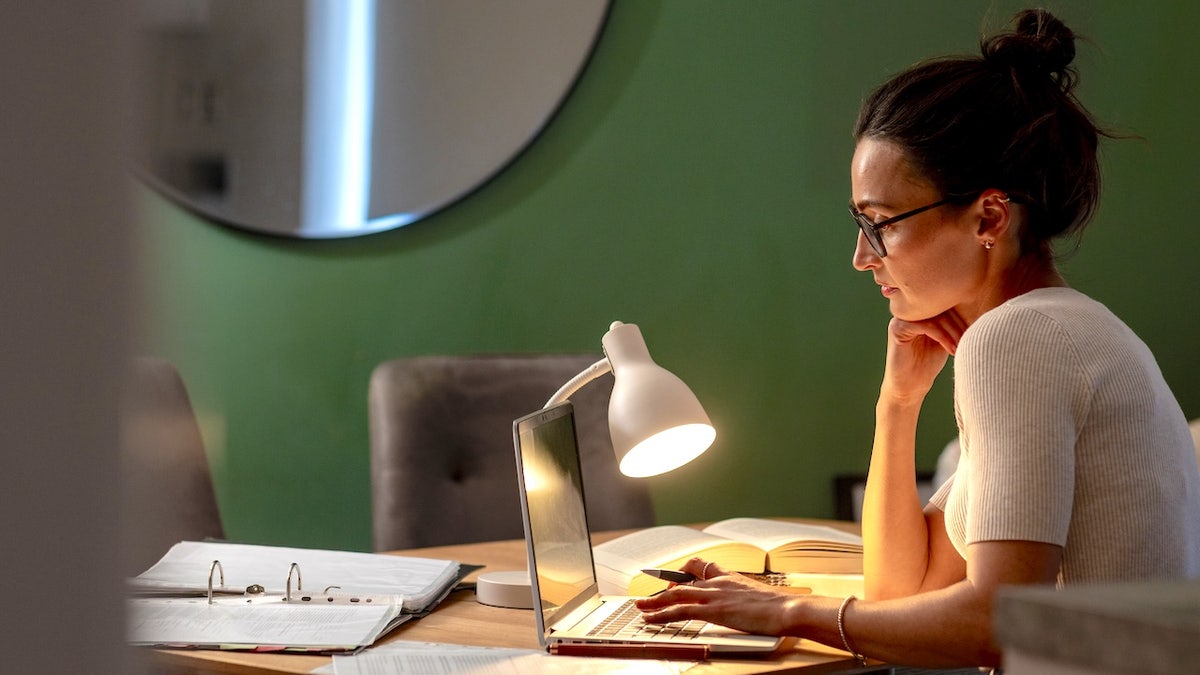
Researchers believe that increasing indoor brightness during close-up work could be a simple, testable way to slow the global nearsightedness epidemic. (iStock)
“This is not a final answer,” Jose-Manuel Alonso, MD, PhD, SUNY distinguished professor and senior author of the study, said in the release.
TEST YOURSELF WITH OUR LATEST LIFESTYLE QUIZ
“But the study offers a testable hypothesis that reframes how visual habits, lighting and eye focusing interact.”
The study was published in the journal Cell Reports.
Related Article