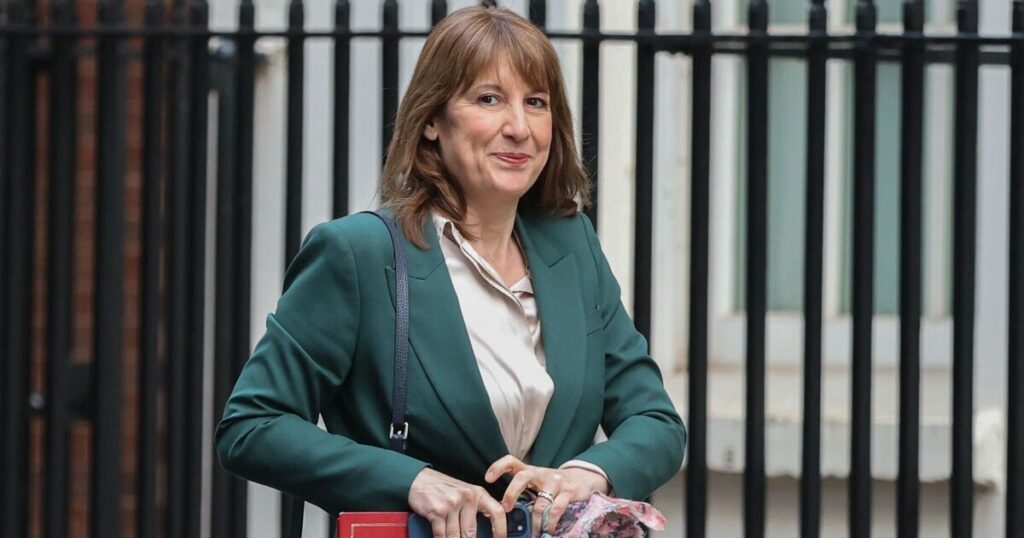

Industry bosses are calling on the Government to scrap plans for a Visitor Levy in England. (Image: Getty)
Brits could soon be forced to pay more than £100 extra for a two-week holiday in England under proposed plans to introduce a new visitor levy, hospitality and leisure industry bosses have warned. Over 200 CEOs from leading hotel and leisure companies, including Butlin’s, Hilton, Haven Travelodge, IHG Hotels & Resorts, Merlin Entertainments, Parkdean Resorts, Travelodge and Whitbread, have written to Chancellor Rachel Reeves urging her to abandon plans that would allow local leaders to introduce a visitor levy on overnight stays in England.
Coordinated by the trade body UKHospitality, the business leaders argued that the « holiday tax » would make domestic breaks significantly more expensive at a time when many families are already struggling with rising living costs. They argue that higher costs would force families to cut trips short, reduce spending in local pubs and attractions, or abandon UK breaks altogether in favour of cheaper overseas destinations. Allen Simpson, chief executive of UKHospitality, said: « Holidays are for relaxing — not taxing. Whether enjoying a city break, rural retreat or beach holiday, you’re already paying your tax fair share. It’s one of the highest tax rates for visitors in Europe, and the holiday tax will only increase that further. »
READ MORE: State pension £25,140 tax threshold plan hits massive landmark
READ MORE: Rachel Reeves move could ruin Brits’ summer holiday plans
Industry estimates suggest that a £2 per person, per night levy could mean an additional £100 or more for a family staying in England for two weeks. Hospitality bosses also cautioned that the measure could harm local economies by reducing visitor spending, threatening jobs and undermining businesses that rely heavily on seasonal trade.
In the letter, the hospitality and leisure CEOs, said: “This ‘Holiday Tax’ will hit families hardest, puts jobs at risk, drain money from local businesses and communities and undermine the Government’s growth agenda.
« For millions of hardworking families, a UK holiday is their chance to switch off and spend quality time together.
« For many, this tax will make their holiday unaffordable, meaning families will shorten trips, forgo a break altogether, reduce their spending with pubs, restaurants, events, leisure activities and local attractions, or travel overseas – spending their money and creating jobs elsewhere. »
They added: « The impact of a Holiday Tax goes well beyond the people who provide accommodation. Fewer visitors mean lower spending at local businesses like restaurants, cafes, pubs, taxi firms and shops. In many places, it is tourist spending which keeps high streets alive, supporting the small businesses that define our communities.
« The UK’s hospitality sector is already under pressure, with rising business rates, energy costs, tax bills and employment costs. It already contributes billions of pounds in tax, through business rates, employment taxes and VAT, which at 20% is double the rate of competitors in France, Italy, Spain or Portugal.
« Do not turn the Great British break into a luxury. Scrap the holiday tax and back the families, workers and the businesses who make England worth visiting. »
Shadow Secretary of State for Business and Trade, Andrew Griffith said: « We’ve a one-trick, miserablist, tax raising government. They’ll tax you more if you drive your car, get on a plane and now if you stay in a bed on holiday. They’ll tax you more if you drive your car, get on a plane and now if you stay in a bed on holiday. »
In her Autumn Budget, Reeves confirmed that regional mayors in England would be granted powers to introduce visitor levies on hotel rooms, Airbnbs and other short-term accommodation.
The Government has suggested the charge would likely be set as a small percentage of the room rate rather than a flat fee, with mayors responsible for deciding the level in their area. A consultation on the plans is due to close later this month.
A Government spokesman said: « Tourists travel from near and far to visit England’s brilliant cities and regions.
« We’re giving our mayors powers to harness this and put more money into local priorities, so they can keep driving growth and investment in the economy.
« We expect any new charges to be modest and in line with other countries, and it is for mayors to consider the right level for their area. »
Versions of visitor levies are already in place in Scotland and Wales, with some Scottish councils preparing to introduce charges later this year. In certain parts of England, a version of the tax is already in place, applied as a levy that groups of hospitality businesses within business improvement districts (BIDs) have voluntarily added to customer bills.
