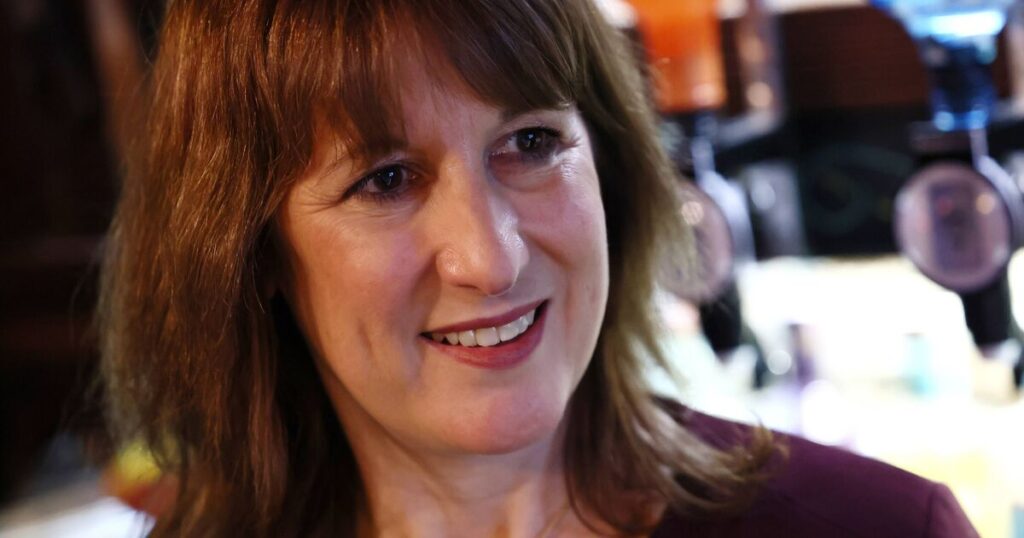

Chancellor Rachel Reeves cut the Cash ISA allowance (Image: Jack Taylor, Getty Images)
ISA season is already in full swing, as savers compare leading providers before the ISA allowance resets on April 6. This year carries added significance following the recent Budget, where Chancellor Rachel Reeves unveiled plans to slash the Cash ISA allowance for under-65s from £20,000 to £12,000 from April 2027.
One expert revealed this has triggered a 50 per cent spike in online ISA searches, with a notable influx of first-time savers eager to maximise their allowance before the tax year concludes. Yet many newcomers remain susceptible to several widespread ISA pitfalls that could potentially cost them thousands.
Antonia Medlicott, founder and managing director of Investing Insiders, has outlined three frequent beginner errors to steer clear of.
Thinking ISAs are all or nothing
« Many believe that if they can’t afford to put thousands into an ISA each year, then it is not worth doing. This is simply untrue. Even £50 a month, which works out to £600 annually, could add up to five figures over 20 years. You can also increase contributions when your income grows, meaning you don’t have to stick to a certain sum.

£50 could turn into a lot more (Image: Alphotographic via Getty Images)
Read more: ISA savers given ‘hard deadline’ in 2026 after Reeves cuts
Read more: New update confirms cash ISA increase after Budget announcement
« Just because you can’t maximise your ISA limit doesn’t mean that you shouldn’t take advantage of ISAs at all; you can always start small and increase your contributions as you become more confident and knowledgeable. If you do the maths, putting £50 a month into a Cash ISA with an average 3.9 per cent interest rate, means you would’ve built an £18,134 pot after 10 years – a massive £6,134 of which is interest earned tax-free. »
Being frightened to utilise Stocks and Shares ISAs
« Cash ISAs are a popular choice for beginners because they are seen as a safe investment. Stocks and Shares ISAs, on the other hand, are often seen as gambling due to the extended risks, which scares away savers, especially those new to ISAs.
« While it is true that there are risks with SandS ISAs, there is also a hidden risk when it comes to Cash ISAs. For example, if inflation averages 4 per cent and your Cash ISA earns 3 per cent, your money is losing purchasing power every year; this is a guaranteed, silent loss. You might be earning a consistent sum in theory, but you’re actually losing value over time.
« Over the past decade, the average return on a Stocks and Shares ISA has been 9.64 per cent, compared to 3.9 per cent with Cash ISAs. Meaning if you put £50 a month into an SandS ISA for 20 years, you would build £36,243, compared to just £18,134 with a Cash ISA – practically twice as much. Plus, with the Cash ISA limit reducing in a little over a year, squirrelling £20,000 into a Cash ISA every year won’t be an option any more. »

You don’t need thousands to put in (Image: WPA Pool, Getty Images)
Allowing the ISA allowance to go unused
« Many beginners assume that they can carry any allowance forward that they haven’t used, however this is false. Once April 6th comes around, any of your £20,000 allowance that is unused is lost forever. So, if you can afford to do so, ensure you take maximum advantage of each year’s allowance. One of the big misconceptions is that ISAs are just about this year, when actually they are about creating a permanent tax wrapper on your savings.
« Let’s say you fail to take advantage of £5,000 of your Cash ISA (4 per cent interest rate) allowance every year for a decade, you will lose out on £10,000. This is why it is crucial to fully optimise your ISA allowance if you can afford to. » ».
Treating an ISA like a savings account « Treating an ISA like a regular savings account is one of the most common mistakes beginners make. This is because you only get a £20,000 allowance a year, and if you dip money in and out, this will quickly be used up. Once you’ve used your allowance, any money after that is subject to tax, meaning you lose money in the long run.
« If you put £20,000 into a Cash ISA, but then decide to take out £1,000, when returned that money won’t be tax-free. In fact, if you’ve already used your £1,000 personal savings allowance, you will lose £200 of that.
‘There are ways around this, you could shop around for a Flexible ISA, which allows you to withdraw and replace money in the same tax year without using up more of your annual ISA allowance. »
Choose the wrong type of ISA
« When choosing an ISA, it is very important that you understand what your saving goal is. For example, if you’re looking to buy your first home, then a Lifetime ISA would be the best option. The government will add a 25 per cent bonus on your contributions up to £4,000 a year. Putting your money in a different type of ISA could result in you missing out on up to £1,000 a year.
« Alternatively, those looking for long-term savings should consider Stocks and Shares ISAs, which offer higher growth. Those after short-term savings, for a wedding or car, for example, might be better suited to a Cash ISA, where returns are more predictable and easily accessible.
« It’s incredibly important that you do your own research when selecting an ISA as it isn’t one size fits all; different ISAs work for different people. Ensure that you check the terms and conditions of each ISA to make sure that the one you’ve chosen is right for you. »
